22 Aug 2026
Retail Vouchers Meeting Casino Loyalty Structures in Modern Reward Ecosystems
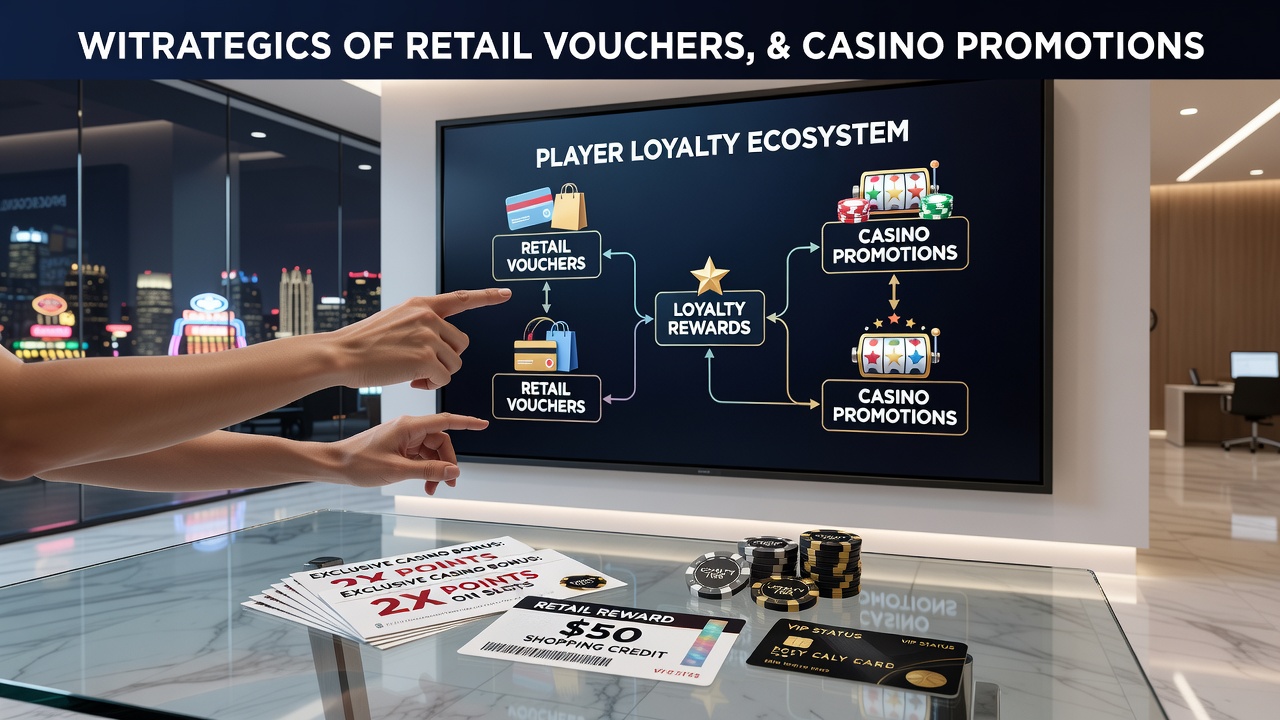
Retail vouchers have entered casino loyalty programs as conversion tools that link everyday spending with gaming rewards, and operators track these exchanges through integrated platforms that award points for voucher redemptions while directing players toward specific games or events. Data from industry reports shows that voucher-based incentives appear in tiered systems where accumulated points unlock both casino credits and external retail options, creating measurable retention patterns across multiple jurisdictions.
Mechanics Behind Voucher Integration
Casino platforms convert retail voucher values into loyalty points using fixed exchange rates that operators adjust seasonally, whereas players receive notifications when their balances qualify for hybrid rewards that combine slot credits with store credit at partnered retailers. Research from the University of Nevada, Las Vegas indicates that these systems operate through APIs connecting point-of-sale terminals at retail outlets to casino databases, and this linkage allows real-time updates that reflect both spending activity and gaming performance in a single player profile.
Program administrators set eligibility rules that require minimum playthrough thresholds before voucher redemptions activate, and those thresholds vary by player tier so higher-status members access earlier redemptions while new entrants build toward the same benefits over longer periods. Figures released by the Australian Institute of Criminology reveal consistent growth in voucher-linked promotions during summer months, with August 2026 data projected to follow similar patterns based on historical booking trends from major resort properties.
Regional Examples and Program Variations
North American operators often partner with national retail chains to issue vouchers that double as entry tickets into monthly prize draws, whereas European platforms emphasize digital codes that players scan directly into mobile apps for instant point allocation. One documented case involves a mid-sized operator that issued Love2Shop-style vouchers as consolation prizes during low-volatility slot tournaments, and participants later returned at higher rates than those who received only casino credit, according to internal analytics shared with trade associations.

Observers note that Canadian regulatory frameworks require clear disclosure of voucher terms, including expiration dates and geographic restrictions, which forces operators to maintain separate tracking systems for cross-border players. Industry groups such as the Canadian Gaming Association publish annual summaries that document how these disclosures influence redemption rates without referencing any single market regulator.
Data Patterns in Player Retention
Studies compiled by academic researchers at multiple institutions demonstrate that loyalty members who redeem retail vouchers alongside casino bonuses maintain accounts for longer average durations than members who receive only gaming-specific rewards. The pattern holds across both land-based and online environments, although online programs show faster point accumulation because digital redemptions bypass physical mail delivery times.
Operators adjust voucher values in response to player segmentation data, and segments identified as price-sensitive receive higher nominal voucher amounts while high-volume players receive smaller values paired with exclusive game access. This segmentation appears in marketing calendars that schedule voucher drops during traditionally slower revenue periods, thereby smoothing occupancy curves throughout the year.
Conclusion
Retail vouchers now function as measurable components within casino loyalty architectures, supported by technical integrations that link external spending to internal point systems. Available data from university research centers and gaming trade organizations continues to track how these hybrid rewards influence retention metrics across regions, with upcoming periods such as August 2026 expected to provide additional benchmarks for ongoing program refinements.