24 Aug 2026
When Retail Perks Meet Reel Rewards: Tracing Voucher Pathways Through Contemporary Gaming Incentive Networks
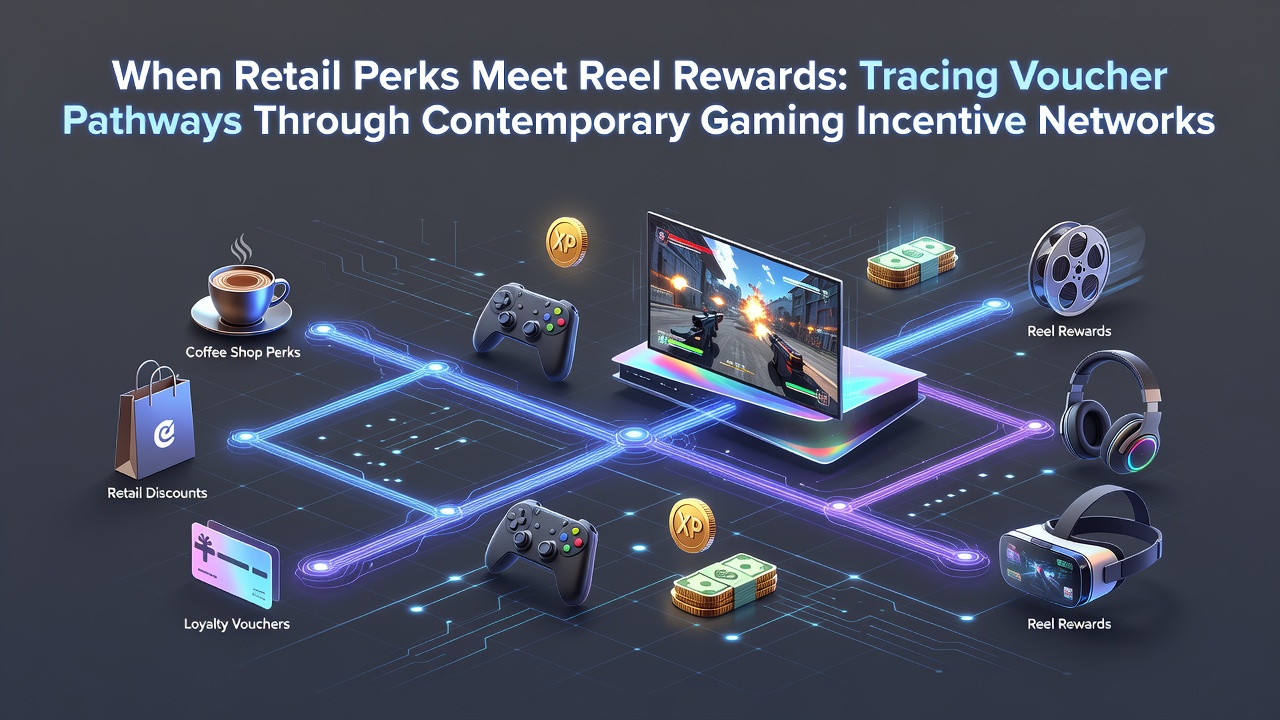
Mapping the Integration of Retail and Gaming Reward Systems
Retail voucher programs have expanded their reach into gaming platforms through structured conversion mechanisms that allow users to exchange points earned from everyday purchases for in-game credits and slot rewards, while operators track these flows using dedicated API connections that link merchant databases directly to player accounts. Data from industry reports in August 2026 shows increased adoption rates across multiple jurisdictions where regulatory frameworks permit such crossovers, and observers note that these pathways reduce friction for participants who already accumulate retail loyalty balances.
Payment processors facilitate the transfer by converting voucher values into gaming currencies at predefined exchange rates that vary by operator and region, yet the underlying technology relies on secure tokenization methods that maintain transaction integrity without exposing sensitive retail data to gaming servers. Those who study these networks find that integration often occurs through third-party aggregators specializing in loyalty program interoperability, and figures reveal steady growth in the volume of voucher redemptions processed monthly since the start of 2025.
Technical Pathways and Data Exchange Protocols
Contemporary gaming incentive networks employ standardized data formats such as JSON and XML to transmit voucher redemption requests from retail partner portals to casino management systems, and this process typically completes within seconds once authentication protocols confirm the validity of the submitted codes. Researchers at several academic institutions have documented how these exchanges incorporate real-time fraud detection layers that cross-reference transaction histories across both retail and gaming domains to flag anomalies before credits are issued.
Operators maintain audit trails that record every step from initial voucher generation at the retail point of sale through final allocation within player wallets, while compliance teams review these logs against requirements set by bodies including the Nevada Gaming Control Board and the Australian Communications and Media Authority. In August 2026, updates to interoperability standards introduced additional encryption requirements that further secure the data flows without lengthening processing times for end users.
Regional Variations in Voucher Redemption Practices
European markets demonstrate higher volumes of retail-to-gaming voucher redemptions compared with North American counterparts, according to aggregated industry statistics released by the European Gaming and Betting Association, and this pattern aligns with broader consumer preferences for integrated loyalty schemes that span multiple sectors. Canadian provincial regulators have issued guidance documents that outline acceptable conversion ratios and reporting obligations for operators participating in these networks, which helps maintain transparency around how retail points translate into reel-based rewards.

Asian jurisdictions present distinct challenges because local retail voucher systems often operate under different privacy regulations than those governing gaming activities, yet several platforms have established region-specific bridges that comply with both sets of rules. Observers tracking these developments note that successful implementations usually involve partnerships between established retail chains and licensed gaming providers who share compatible technology stacks.
Security Measures and Compliance Frameworks
Encryption standards applied during voucher data transmission meet or exceed requirements outlined in reports from the International Association of Gaming Regulators, and multi-factor authentication steps verify user identity at both the retail redemption stage and the gaming platform login. Gaming associations emphasize the importance of separating retail transaction records from detailed gameplay data to protect participant privacy, while still enabling accurate reconciliation for financial reporting purposes.
Third-party auditors conduct periodic assessments of these integrated systems to confirm that conversion algorithms apply consistent valuation rules across all supported voucher types, and findings from such reviews appear in quarterly compliance summaries submitted to relevant oversight bodies. In August 2026, several operators introduced enhanced monitoring dashboards that allow compliance officers to visualize voucher pathway activity in real time.
Future Directions for Cross-Sector Incentive Networks
Emerging technologies such as blockchain-based ledgers are under evaluation for their potential to create immutable records of voucher movements between retail and gaming environments, and pilot programs conducted by research consortia have demonstrated reduced reconciliation times when distributed ledger methods replace traditional centralized databases. Industry organizations continue to collaborate on unified standards that would allow seamless transfers regardless of the originating retail program or destination gaming platform.
Academic studies examining user behavior across these networks indicate that participants who combine retail and gaming rewards tend to maintain longer engagement periods with both types of services, although the precise causal mechanisms remain subjects of ongoing investigation. Regulatory updates expected later in 2026 may introduce additional reporting categories that capture the growing complexity of these interconnected incentive structures.
Conclusion
Voucher pathways through contemporary gaming incentive networks continue to evolve as retail partners and gaming operators refine their technical connections and compliance procedures, with data exchange protocols and security measures adapting to new regulatory expectations. August 2026 marks a period of incremental standardization across multiple regions, and further developments will likely focus on expanding interoperability while preserving the auditability required by oversight authorities. Those monitoring these systems can expect continued emphasis on secure, transparent processes that support the growing volume of cross-sector reward redemptions.